
📞 Tel:+86-750-3857665
Email:sales@enpowertec.com
Email:sales@enpowertec.com
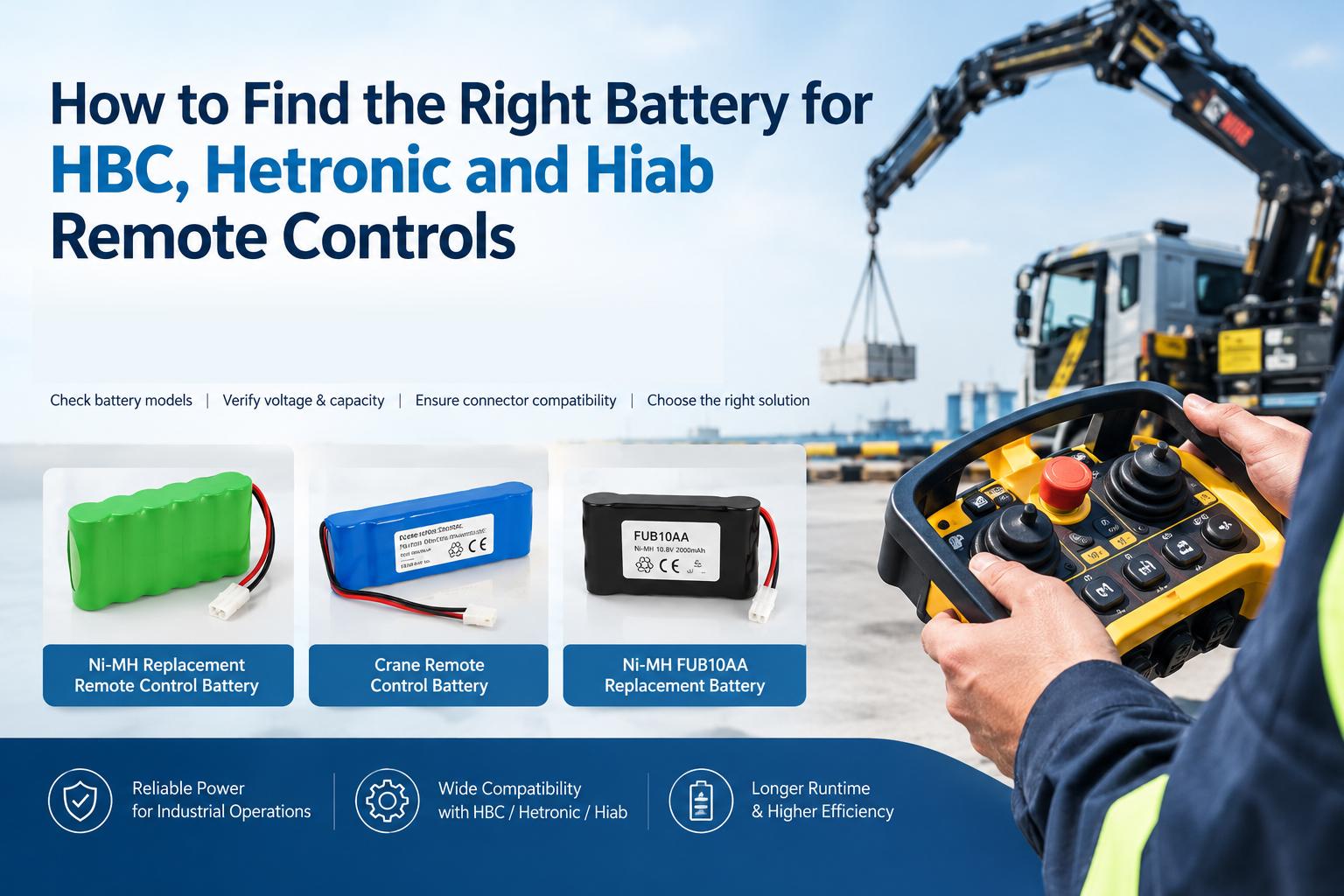
Industrial remote controls are widely used in cranes, concrete pumps, hydraulic machinery, forestry equipment, and material handling systems. For operators and maintenance teams, a reliable battery is essential for keeping remote control systems powered throughout daily operations.
However, finding the correct replacement battery for HBC, Hetronic, and Hiab remote controls can be challenging. Different models may use different battery voltages, capacities, chemistries, connectors, and charging systems. Even batteries that look similar may not be interchangeable.
Whether you are an equipment maintenance professional, industrial battery distributor, or purchasing manager, understanding how to identify the right replacement battery can help reduce compatibility problems and avoid unnecessary equipment downtime.
In this guide, we explain how to find the right battery for HBC, Hetronic, and Hiab remote controls, what specifications to check before purchasing, and how to choose a suitable industrial battery supplier.
The first step in finding the right replacement battery is identifying the remote control manufacturer and model.
HBC, Hetronic, and Hiab offer remote control systems for different industrial applications. Battery requirements can vary depending on the specific transmitter, equipment configuration, and product generation.
Before searching for a replacement battery, collect the following information:
The original battery label is often the most useful starting point. If the label is missing or difficult to read, take clear photographs of the battery, connector, and remote control identification plate.
HBC remote controls are used in various industrial applications, including crane operation, concrete pumping, and machinery control.
When replacing an HBC remote control battery, confirm the original battery model and all relevant electrical and physical specifications.
HBC remote control systems can use different battery packs depending on the model and configuration.
For example, the FUB10AA is a battery model associated with certain HBC remote control applications. However, you should not assume that every HBC transmitter uses this battery.
Check the original battery label or equipment documentation to confirm the correct replacement.
The replacement battery must match the equipment's electrical requirements.
A battery with the wrong voltage may not power the transmitter correctly. Capacity also affects the expected operating time between charges.
The connector, terminal arrangement, and charging requirements must also match the intended application.

For buyers looking for an FUB10AA replacement battery, Enpower offers a product page for further compatibility review.
View Ni-MH FUB10AA Replacement BatteryBefore ordering, confirm the original battery part number, voltage, connector, and charger compatibility for your specific HBC remote control.
Hetronic remote control systems are used in industrial equipment where dependable wireless control is important for daily operations.
When replacing a Hetronic battery, the exact transmitter model and original battery part number should guide the selection process.
Hetronic equipment may use different battery configurations across its remote control product range.
For example, some Hetronic systems use battery references from the Nova series. The correct replacement depends on the specific transmitter and its electrical requirements.
Check the original battery label and equipment documentation before purchasing.
Determine whether the original battery uses Ni-MH, Ni-Cd, or Li-ion chemistry.
The battery chemistry affects charging requirements, storage procedures, and compatibility with the original charging system.
A replacement battery must fit correctly into the transmitter.
Compare its dimensions, housing shape, connector, terminal position, and installation method with the original battery.
A secure fit and correct electrical connection are important for dependable operation in industrial environments.
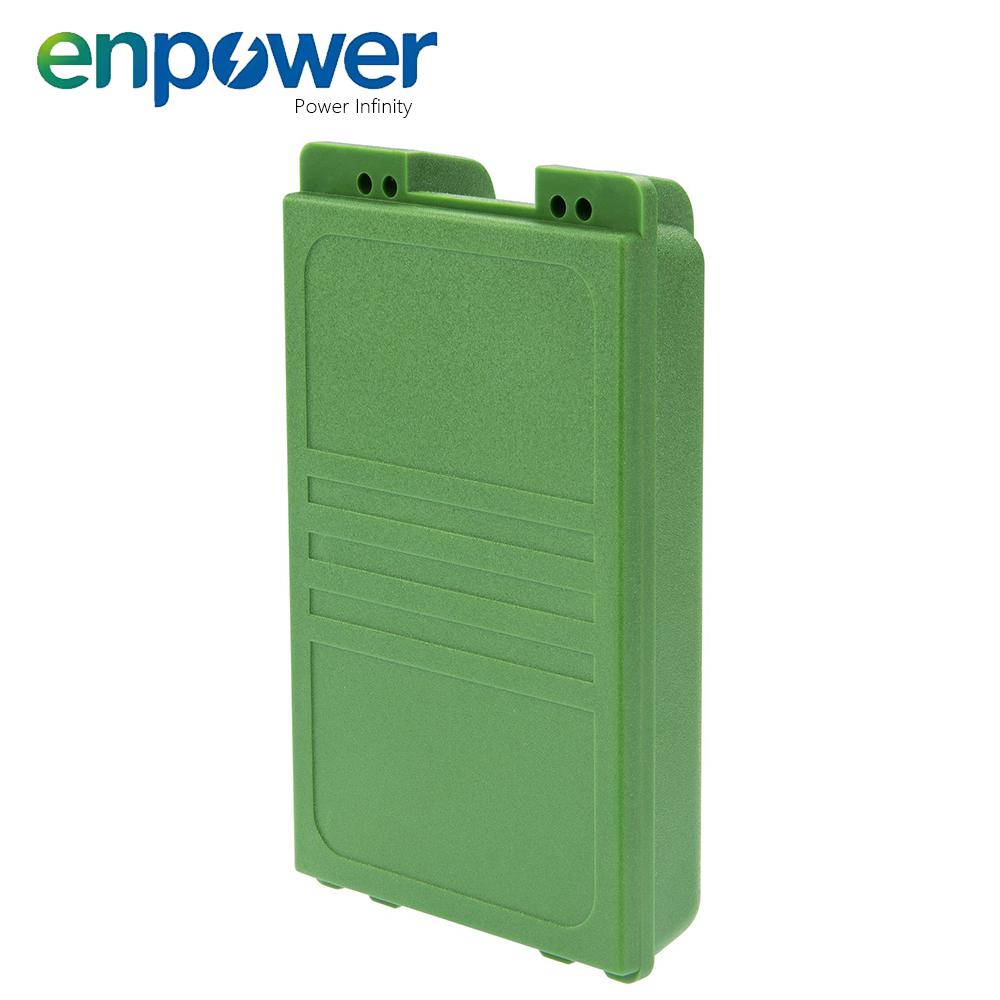
If you are sourcing a Ni-MH replacement battery for an industrial remote control, review Enpower's product information and compare the specifications with your original battery.
Explore Ni-MH Replacement Remote Control BatteryThis product page can serve as a starting point for evaluating a suitable replacement. Confirm the battery model, voltage, capacity, connector, and application compatibility before placing an order.
Hiab equipment is used in lifting and material handling applications, including loader cranes. The corresponding remote control battery must meet the electrical and mechanical requirements of the specific control system.
When sourcing a replacement Hiab battery, identify the remote control model and original battery reference before comparing products.
Different Hiab remote control systems may require different battery packs.
For example, the Hiab HIA7220 battery reference is associated with certain Hiab XS Driver applications. Verify the exact remote control model and original battery details before selecting a replacement.
Check the nominal voltage and capacity printed on the original battery or specified in the equipment documentation.
The replacement should meet the remote control's electrical requirements and provide suitable operating time for the intended application.
Confirm that the replacement battery is compatible with the existing charger.
The battery must fit securely and connect correctly to the remote control.
Check the connector type, terminal arrangement, dimensions, and housing design before ordering.
Although HBC, Hetronic, and Hiab batteries are all used in industrial remote control applications, their battery requirements are not necessarily the same.
Use the following table as a purchasing checklist.
| Item to Check | HBC | Hetronic | Hiab |
|---|---|---|---|
| Remote control model | Confirm the exact transmitter | Confirm the exact transmitter | Confirm the exact transmitter |
| Original battery reference | Check the battery label | Check the battery label | Check the battery label |
| Voltage and capacity | Match equipment requirements | Match equipment requirements | Match equipment requirements |
| Battery chemistry | Confirm the original chemistry | Confirm the original chemistry | Confirm the original chemistry |
| Connector and dimensions | Verify physical compatibility | Verify physical compatibility | Verify physical compatibility |
| Charger compatibility | Check charging requirements | Check charging requirements | Check charging requirements |
Battery chemistry is another important factor when sourcing an industrial remote control battery.
Ni-MH and Li-ion batteries have different electrical characteristics and charging requirements.
Ni-MH batteries are used in various industrial rechargeable battery packs.
Potential advantages include compatibility with equipment originally designed for Ni-MH chemistry and availability in different battery pack configurations.
However, buyers should follow the manufacturer's charging and storage instructions and consider the battery's self-discharge characteristics.
Li-ion batteries generally provide higher energy density and lower self-discharge than many traditional rechargeable battery technologies.
Depending on the application, they may offer a compact solution with suitable operating time.
Neither battery chemistry is universally better for every industrial remote control.
The right choice depends on the original equipment requirements, operating schedule, battery compartment, charging system, and intended working environment.
Before purchasing an industrial remote control battery, use this checklist to reduce the risk of ordering an incompatible product.
Enpower Technology specializes in industrial battery solutions, including replacement batteries for crane remote controls and other industrial applications.
For battery distributors, equipment maintenance companies, and industrial purchasing teams, sourcing the right replacement requires more than finding a battery with a similar appearance.
Compatibility, electrical specifications, connector design, charger requirements, product consistency, and supply availability all need to be considered.
Enpower can review battery requirements for suitable replacement and customized battery solutions, subject to technical evaluation.
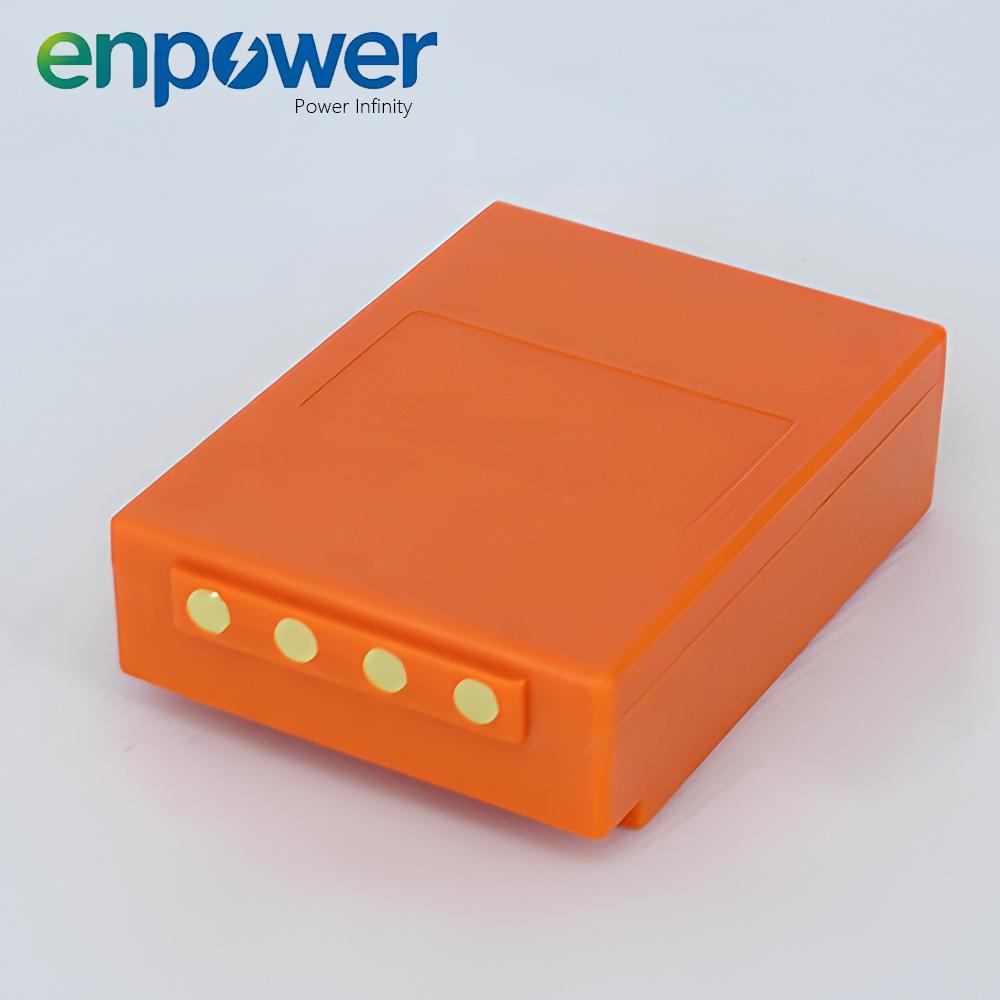
For crane remote control applications, the following product page can be used as a starting point for compatibility review.
View Crane Remote Control BatteryWhen contacting our team, please provide the following details whenever possible:
Providing complete information helps us assess your requirements and determine the specifications that need to be confirmed.
Not necessarily. Compatibility depends on the exact battery model, voltage, chemistry, connector, dimensions, and charging requirements. Always verify the specifications before ordering.
Start with the original battery part number and HBC transmitter model. Confirm the voltage, capacity, chemistry, connector, and charger compatibility before purchasing a replacement.
Check the original battery label and transmitter documentation. Compare the battery reference, electrical specifications, dimensions, connector, and charging requirements with the proposed replacement.
Identify the Hiab remote control model and original battery reference. If the part number is unavailable, provide photographs and technical information to a qualified battery supplier for assistance.
Only when the replacement has been verified as suitable for the specific remote control. The charging system, voltage characteristics, battery protection, and mechanical configuration must all be considered.
Provide the remote control brand and model, original battery reference, voltage, capacity, chemistry, dimensions, connector photographs, and required quantity. These details help the supplier evaluate compatibility.
Finding the right battery for HBC, Hetronic, and Hiab remote controls begins with identifying the original battery model and confirming the equipment's technical requirements.
Voltage, capacity, battery chemistry, dimensions, connector configuration, and charger compatibility are all important factors in selecting a suitable replacement.
For industrial distributors, maintenance companies, and equipment operators, working with an experienced battery supplier can simplify the sourcing process and help reduce compatibility risks.

Enpower integrates R&D, production and quality testing in-house, supporting custom battery solutions for worldwide buyers.